A farmer (call him Bill) runs a 400-hectare farm in a cold part of the world. Winters are harsh, the snow can be higher than the fences. The growing season is only about four months long. When the snow melts Bill grows lucerne, using irrigation. He cuts grass and the lucerne and bales it for winter feed. His primary goal is to achieve 85% conception in his first calf heifers.
There is no one else on the farm. Bill handles everything: fixing the irrigation, repairing equipment, paying the bills, tending to the livestock and hauling bales. Every day in summer is important, he is fully employed dawn to dusk and constantly concerned if he will have enough feed put away if it turns out to be a long winter.
When the winter comes Bill brings all his animals inside—cattle, sheep, and a few goats. The barn is full. He feeds them the hay and lucerne bales and some concentrates for seven or eight months.
The costs keep piling up.
Bill works hard, the hours are very long. But he is starting to lose money. Irrigation, feed and upkeep cost more than he gets when he sells his livestock. He tries to cut costs—doing all his own repairs, holding off buying new equipment, rationing feed when he can. Still, he cannot turn things around. Keeping his animals healthy indoors during the winter is problematic, his veterinary bills are a big part of his expenses. Eventually, after another bad month, Bill decides he needs help.
He hires a livestock and farm business consultant, who visits the farm, looks over the operation and goes through the farm records. They spend ten hours working on all the issues.
It is not a quick fix, but Bill follows the advice. He starts seeing improvements: healthier animals, lower costs and eventually, a better bottom line. Things run more smoothly. He sells the irrigation and baling equipment, he stops growing lucerne.
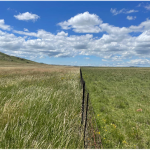
He puts in more camps (paddocks) using temporary electric fencing. He mows some of the grass for hay and makes haystacks in the camps, no bales. By the time the snow falls again, his animals are in good shape and his expenses are down. He keeps the animals outdoors, moves them daily, cattle and sheep in one herd. If the ice gets too thick on the haystacks he goes out and breaks it through with a crowbar and the cattle open up the hay for the sheep.
He still get the 85% conception on his heifers and he finishes work on the farm every day by mid-morning at the latest.
What was the value, per hour, of the work Bill did with the consultant?
What was the value of the work, per hour, that Bill did every day he was doing things the way he used to?
The one is working-on-the business, the other is working-in-the-business. Working on the business is always more valuable that working in the business. You just do not have to do it every day.
Bill still has to work in the business every day, but less hours. More focused on effectiveness, less on efficiency. Less hours worked means more value in R/hour with the new paradigm. More profit to invest in growing his business.
He did not have a business before, just a job!
Paradigms can be changed. If they change do not look for solutions in the old paradigm, in the center. Look for solutions at the edge. Paradigm change comes from the edge.





 English
 Afrikaans